


What is indoor geolocation?
Unlike outdoor geolocation , which uses satellites and GPS data, indoor geolocation allows you to know the position of a person or a product in closed spaces, where these two types of technologies are generally not available.
Indoor location is a real challenge for industries because it actively participates in the optimization of activities and performance.
A multitude of technologies for indoor geolocation
Indoor positioning systems are most often based on wireless technologies such as WiFi , Bluetooth or UWB , Ultra Wide Band .
We can also find on the market indoor geolocation solutions that work by ultrasound or infrared. However, they are rarer because they are unable to work through walls.
The technology used must be chosen according to the use and the business needs of your company. If you are looking to adopt or improve your indoor geolocation system, you need to take into account different criterias such as acquisition and installation costs, reaction time, accuracy or energy consumption.
Different use for every technology
In order to make this choice, it is essential to know and understand the technologies at the source of indoor geolocation.
Wifi positioning systems , for example, are widely used because they allow, by integrating a software brick in a mobile application of a smartphone, to determine in real time the position of a user.
Indoor geolocation can also be implemented thanks to RFID tags . These have become an asset for Industry 4.0 and are widely used in the field of geolocation for traceability . These labels are electronic identification media, which work by chip or tag, and do not need to be read to be seen.
There are also NFC , or Near Field Communication, systems that allow information to be transmitted from one device to another without the need for a specific mobile application.
LiFi is another solution that allows data to be transmitted by light, thanks to LEDs.
Ultra-accurate technologies
And it’s not over yet! There are many other indoor geolocation systems, such as Beacon technology, for example. These small sensors detect mobile terminals through Bluetooth localization . This indoor GPS system allows, when the density of Beacons is high enough, to create a very fine mesh of the space and thus geolocalize the terminals with a high accuracy.
Zozio also offers hybrid badges using UWB technology . This indoor tracking technology is known for its efficiency, durability and accuracy of location, which reaches 30 cm at Zozio . Thanks to a system of beacons and antennas, it allows to exchange data very quickly over long distances. These beacons, which you can find on our website, allow a real time management of your logistics and more generally a relevant implementation of your company in the industry 4.0.
Connected factory for each industrial sector !
Indoor geolocation technologies are numerous enough to allow each industrialist to choose the solution that suits them. Find out which technology suits your needs and update your connected factory!
Read next
Interview
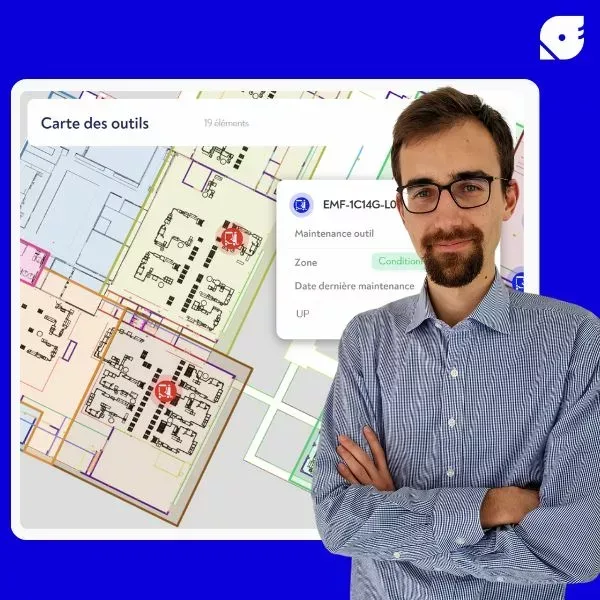
[ Interview 4.0 ] Harness the power of the digital twin to model an industrial environment
A digital twin is a virtual replica of a physical object. In most cases, digital twins used in industrial environments are innovation tools dedicated…
Expert guide
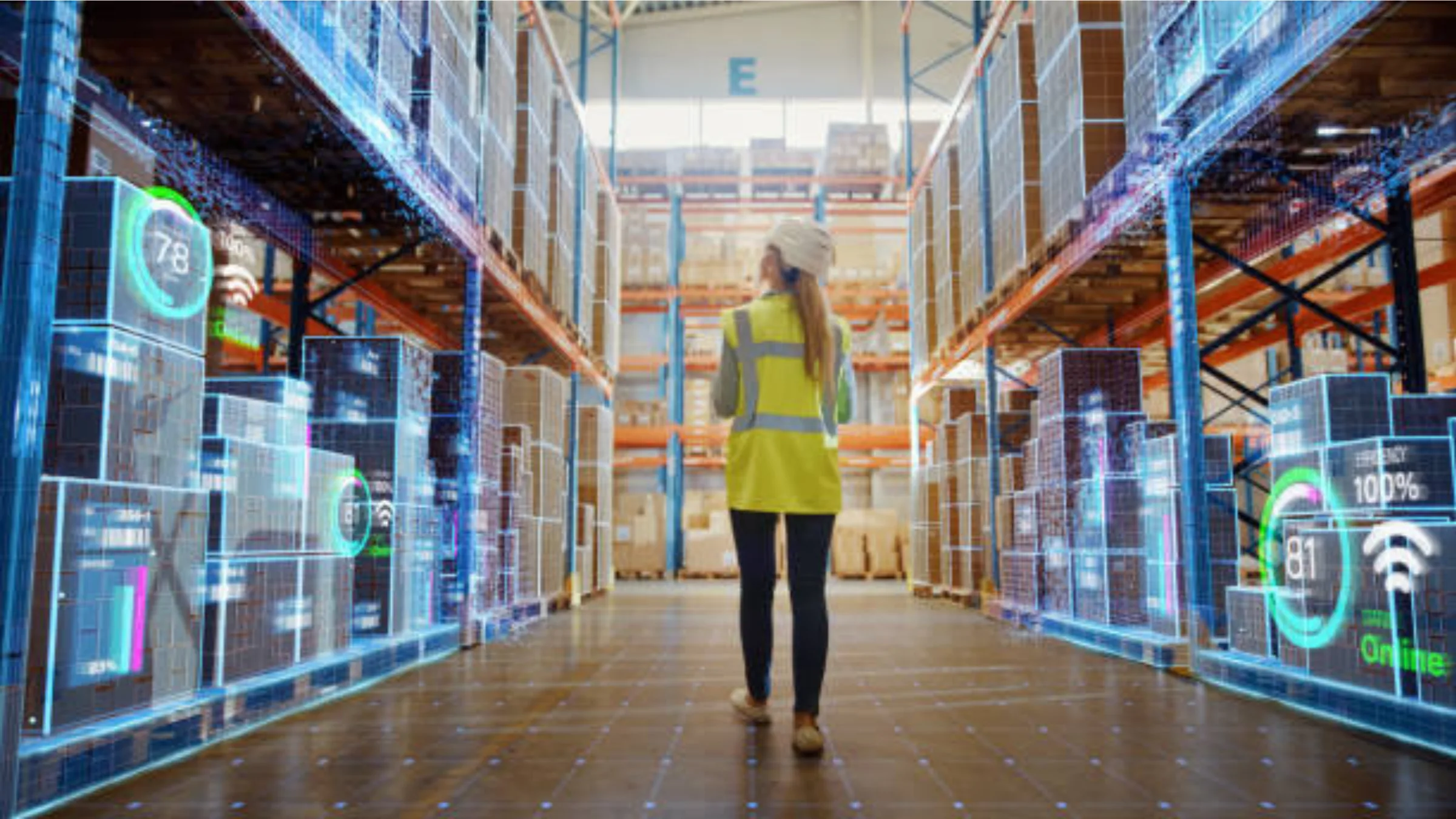
Factory of the Future: the technology trends transforming industry
The deployment of Factory of the Future technologies is already under way. The aim: to address the challenges facing businesses — increased productiv…

ZOZIO news
The company Zozio raises €4 million to revolutionise industry 4.0
In order to grow its business internationally, Zozio signs with Capricorn Partners , Industrya and The Faktory Fund a €4 million fundraising. This re…