
Industries · Electronics
The test bench dictates your lead time. Not the assembly line.
Multi-reference boards, short runs, long test cycles on scarce equipment. When a critical bench is saturated, everything downstream waits — and so do your customer commitments. ROBIN schedules around the resource that truly constrains the flow.


Who it's for
Manufacturers of electronic boards and subassemblies, EMS subcontractors, OEMs, and test and measurement manufacturers. SMT, integration, test, inspection and repair shop floors.
What ROBIN does
Finite-capacity scheduling centred on bottleneck resources, component availability taken into account as an earliest start date, and rework loops reinserted into the plan.
What it changes
Better-used benches, lead-time commitments that production can keep, and an explicit trade-off when a component is missing rather than a delay discovered after the fact.
Industry challenges
An electronics shop floor is managed by its bottlenecks, not by its average capacity.
Overall capacity is rarely the problem. It is a few heavily loaded critical resources that set the exit date of every board.
Test resources
A bench tied up by the wrong lot costs a week of lead time.
Test benches, ovens and climatic chambers are costly, few in number and occupied for long periods. The order in which lots reach them determines the throughput of the entire shop floor — and that order is often decided on the fly.
Short runs
Changeover time weighs more than cycle time.
Ever more references, smaller lot sizes, program and stencil changes. On short runs, optimising sequences becomes the main productivity lever available.
Rework loops
Rework consumes capacity that nobody has planned.
Failed tests, repairs, retests: these loops are normal in the business, but they appear in no plan. Yet they occupy the same technicians and the same benches as nominal production.
What ROBIN brings
Schedule where lead time is really decided.
Facing bottleneck test resources
Sequencing is built around the critical resource.
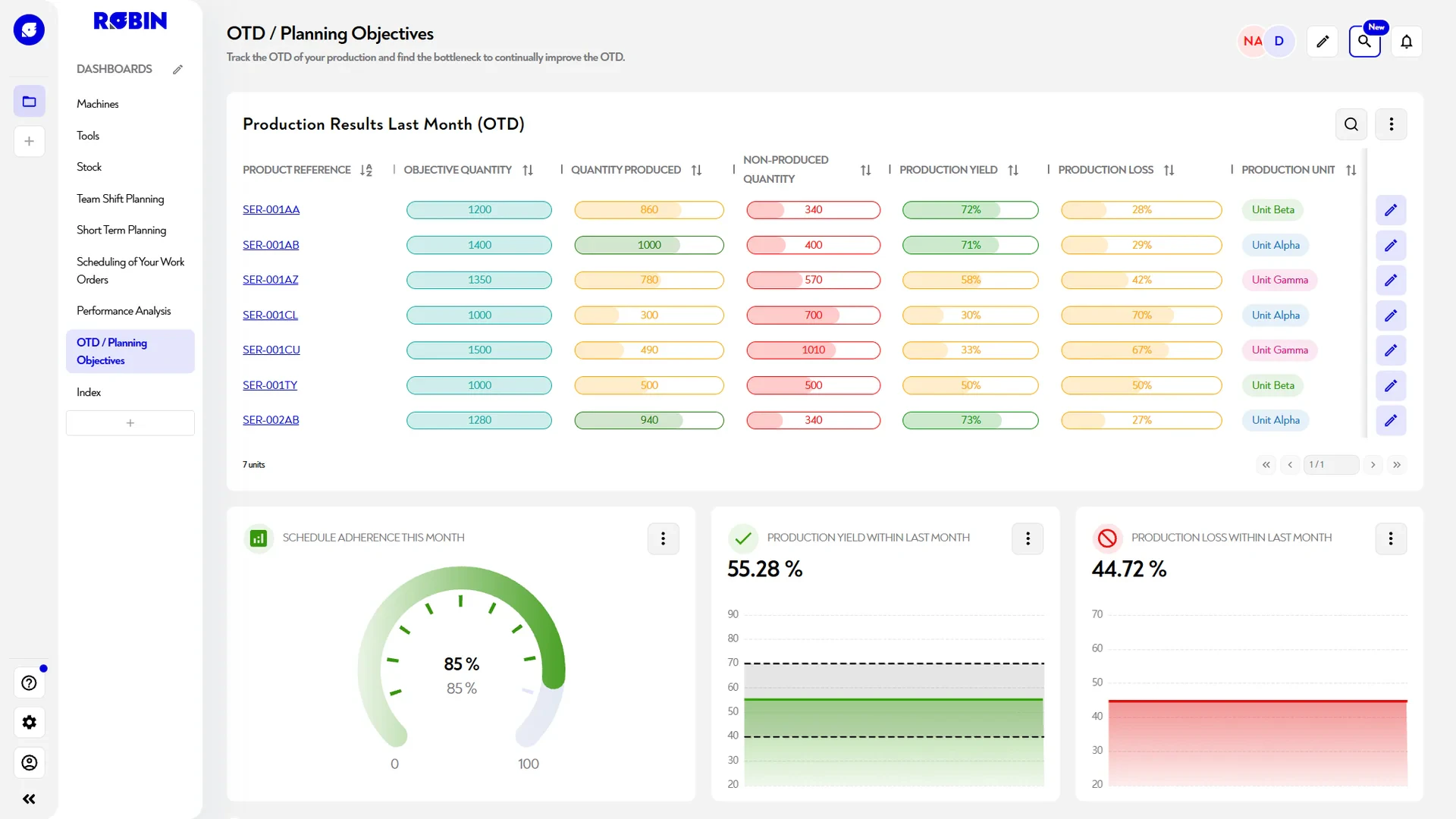
ROBIN identifies bottlenecks from the actual load and sequences the whole flow to feed them without interruption or needless queues. Upstream and downstream operations adjust to the bottleneck's pace, not the other way round.
- Finite capacity on benches, ovens and climatic chambers
- Optimised sequences to limit reconfigurations
- Load projection by critical resource
Facing component shortages
The plan knows when components arrive.
Replenishment dates become earliest eligibility dates. ROBIN brings forward the feasible operations, reallocates freed-up resources and flags the impact on the delivery date before the customer notices it.
- Material availability built into sequencing
- Alert before the commitment date is affected
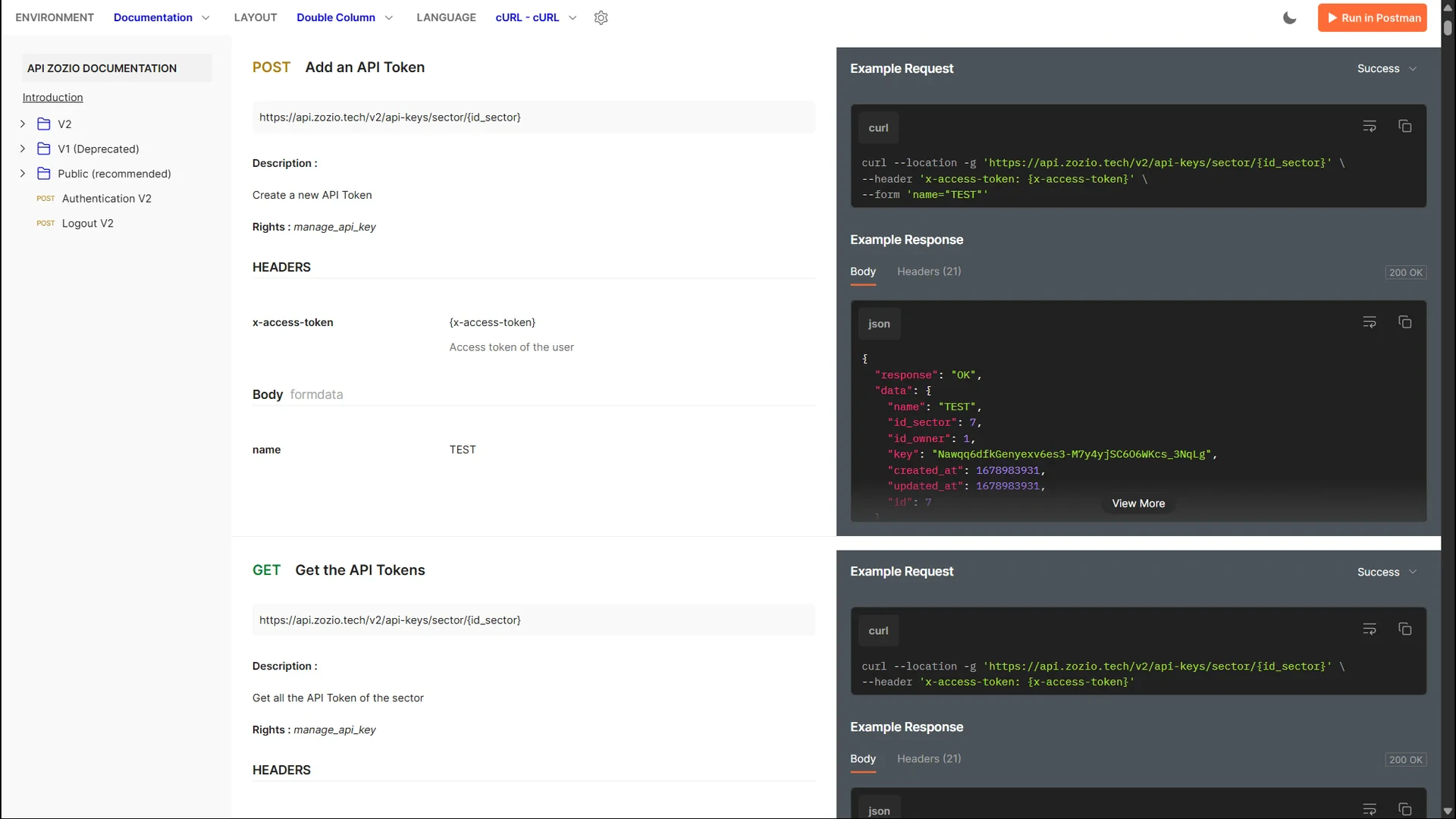
- Connected to the ERP for receipt dates
Facing rework and tracking
Rework loops enter the plan, not alongside it.
A board sent back for repair is fed back into the sequencing with its real priority. Real-time WIP tracking shows where lots are waiting and how much capacity rework actually consumes.
- Rework rescheduled automatically
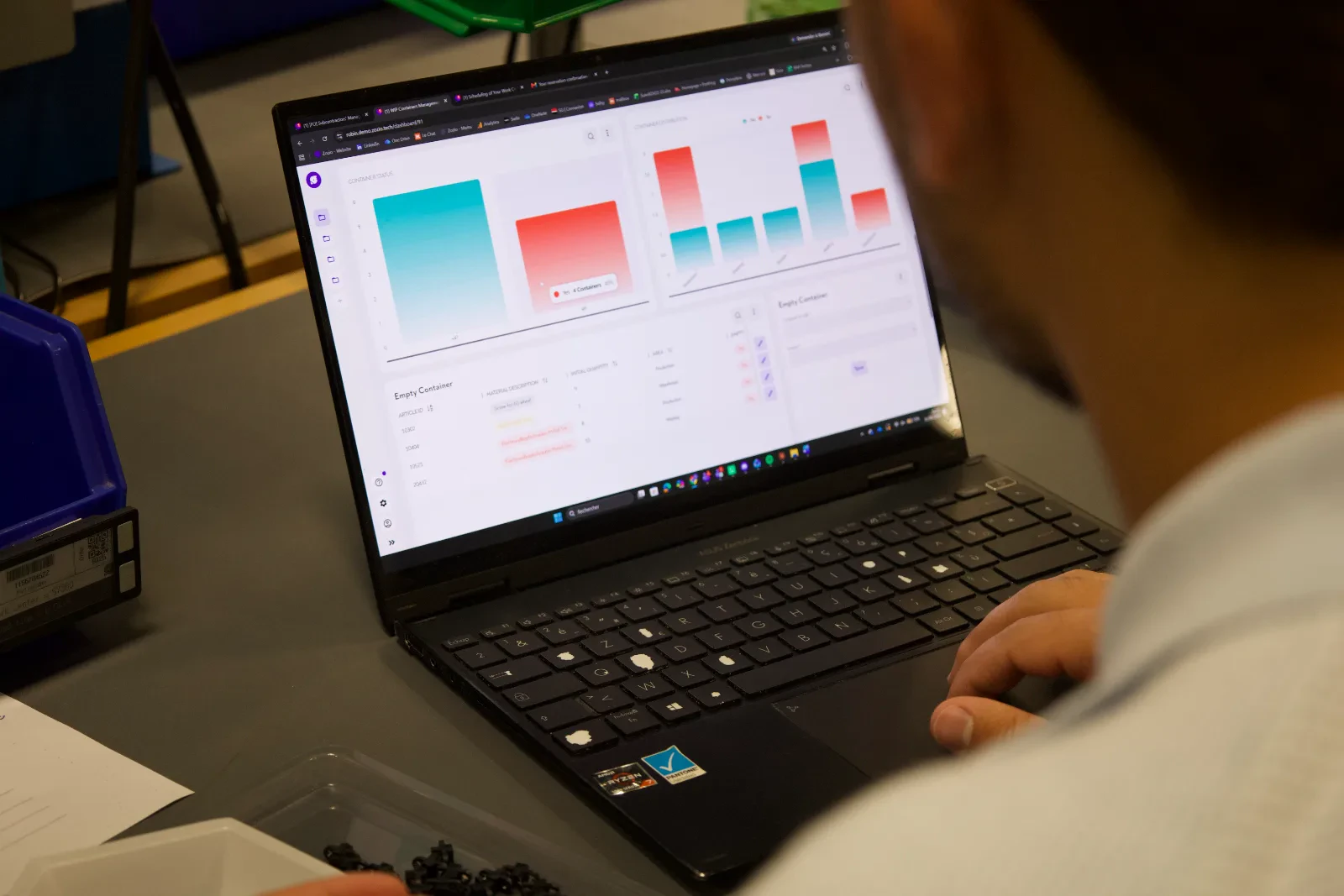
- WIP and queues visible in real time
- Gap between theoretical and actual times
They trust us
Test industry, aerospace and series production manufacturers manage their flows with ROBIN.

Use cases
What electronics shop floors come looking for.
Three situations that short-cycle, high-mix sites bring us most often.

Reduce TAT
Waits between SMT, test and integration are removed from the sequencing: the cycle shortens without any machine investment.
Read the case study
Optimise resources
Saturated placement lines and test benches: the load is levelled and series changeovers are grouped to limit adjustments.
See the use case
Manage disruptions
Missing component, rework after test, urgent run: the plan is re-sequenced around the constraint and the impact is visible immediately.
See the use case
FAQ · Electronics
Questions from electronics shop floors
How does ROBIN identify our bottlenecks?
From the projected load on each resource, compared against its actual capacity over the horizon in question. The bottleneck is not fixed once and for all: it shifts according to the product mix, and ROBIN recalculates this projection with every rescheduling.
Can component receipt dates be integrated into the plan?
Yes. Replenishment dates are used as earliest eligibility dates: an operation cannot be scheduled before its material is available. When a supplier date slips, ROBIN recalculates and flags the impact on the affected delivery dates.
Our operation times vary a lot — is that a problem?
No. ROBIN does not assume fixed durations: times are defined per operation-reference pair, and the plan is recalculated with every new piece of information (diagnosis, actual progress measured by tracking, emerging work). Actual times are continuously compared with theoretical ones, and estimates become more reliable with use, with no extra data entry.
How do you manage rework without breaking the schedule?
Rework, also called repair or reintegration depending on the plant, can come from a defect found at quality control, a non-conformity during production or a customer return.
ROBIN treats it as a new operation to schedule, with its priority and the skills it requires. It reinserts it into the sequence and shows its impact on the other parts.
The conflict is resolved locally: only the operations concerned are shifted, the rest of the plan stays as it is.
Take action
Do your test benches dictate your lead times?
Let's talk about your shop floor — a demonstration on your own data is possible within a few days.