
Product · ROBIN.Tracking
Track every work order, every movement, every part.
Industrial IoT, traceability and real-time flow visibility. Shop floor data flows up on its own, with no manual scanning or system overhaul.
- Indoor geolocation
- Industrial IoT
- No manual scanning
- Timestamped traceability
Chapter 01
Capture the shop floor with no operator effort
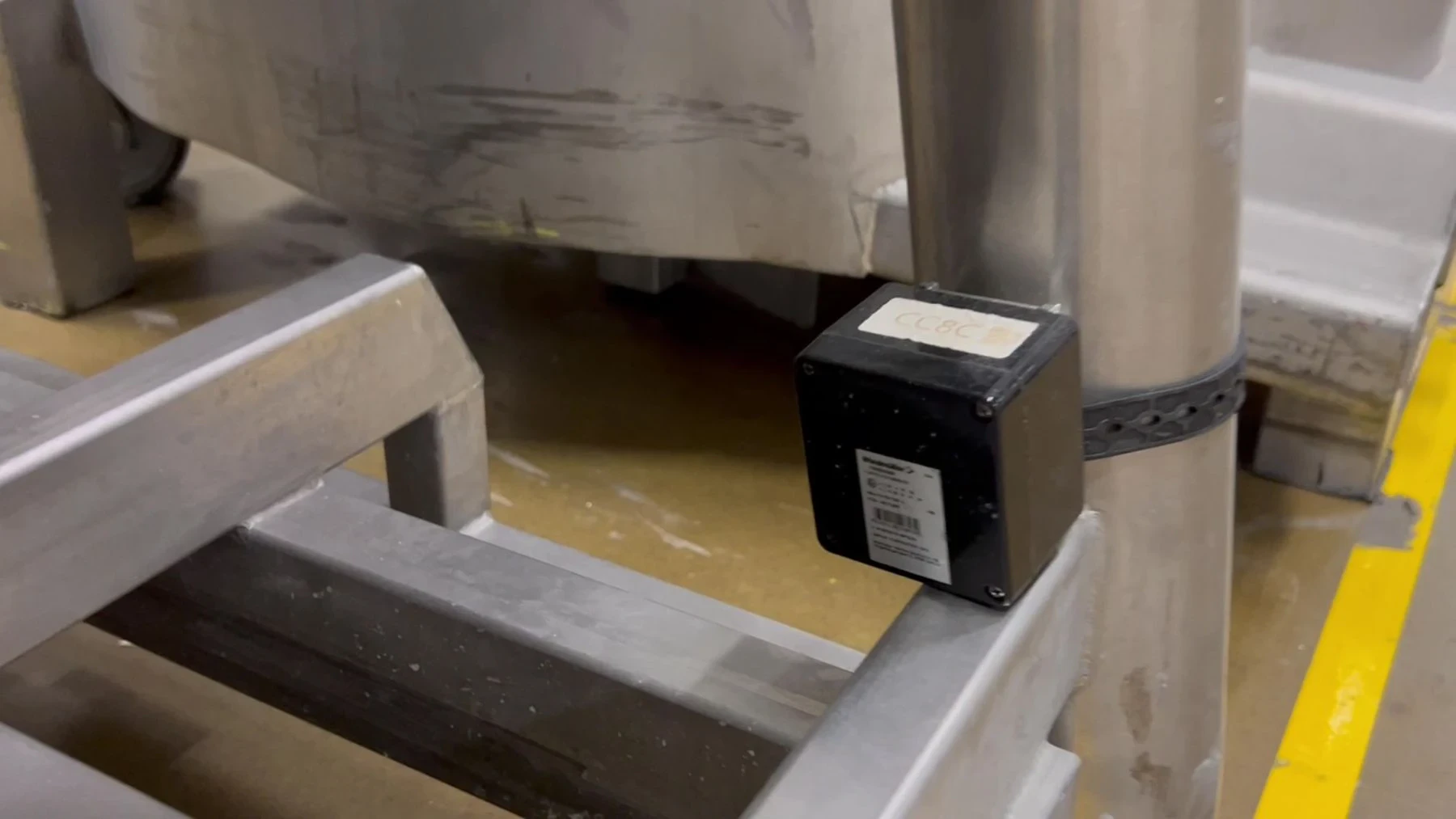
Any data that relies on manual entry ends up missing. Sensors report position and status changes without any action from the operator.
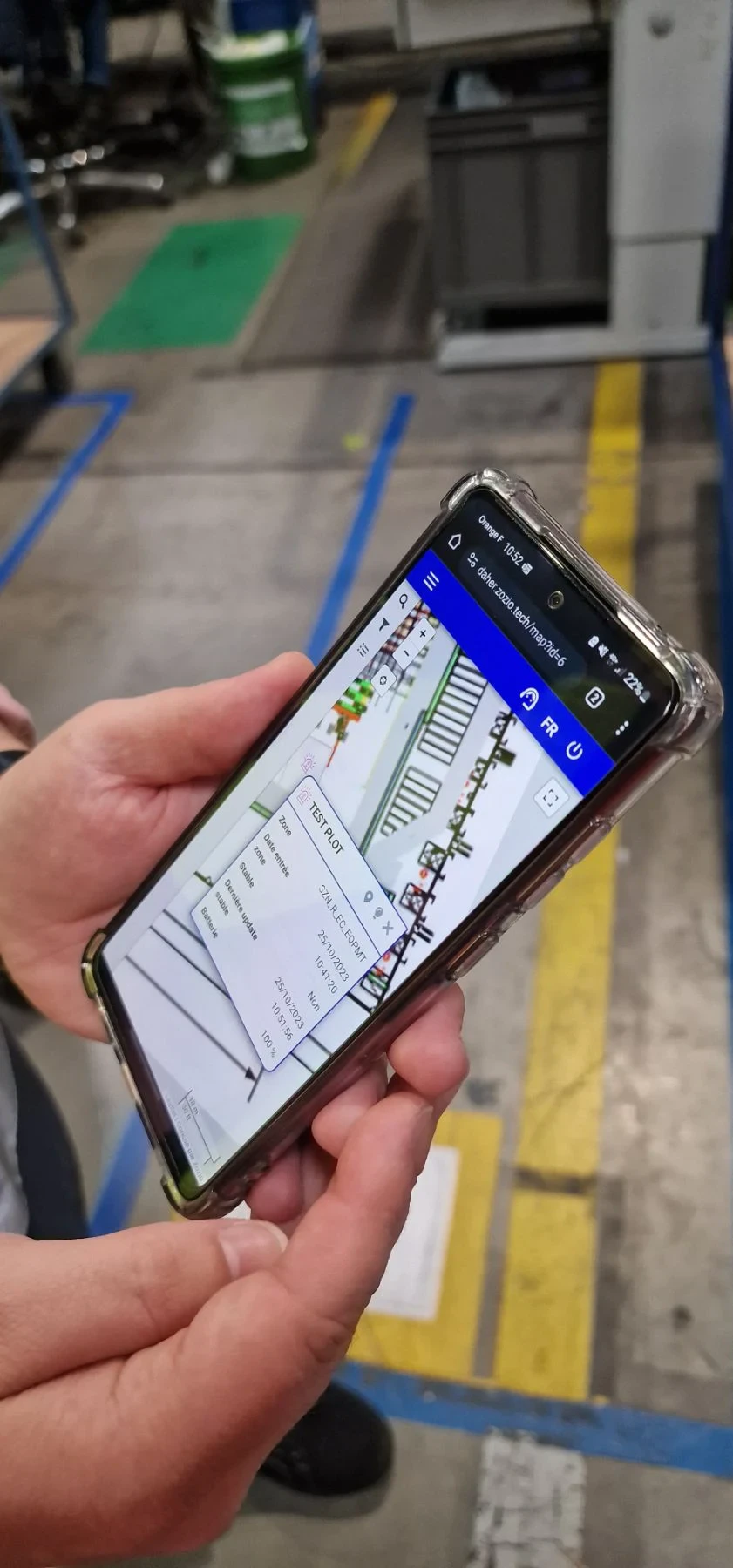
Indoor geolocation of WOs & parts
Real-time positioning of every item on the shop floor, with no manual scanning.
Automatic detection of transitions
Workstation entry/exit, status changes, moves to waiting — captured with no operator action.
Chapter 02
Measure gaps and expose blind spots
The gap between routing time and actual time is calculated on the fly; forgotten parts flag themselves.
Actual time measurement per step
Effective duration of each operation vs routing time — gaps calculated on the fly.
Anti-blind-spot
Alerts on stationary parts, lost WOs or zones with abnormally low activity.
Chapter 03
Prove and deploy without an overhaul
The history provides the proof of execution expected in regulated environments, on an infrastructure that installs in weeks.
Complete, timestamped traceability
Full history of a WO's journey, from shop floor entry to delivery.
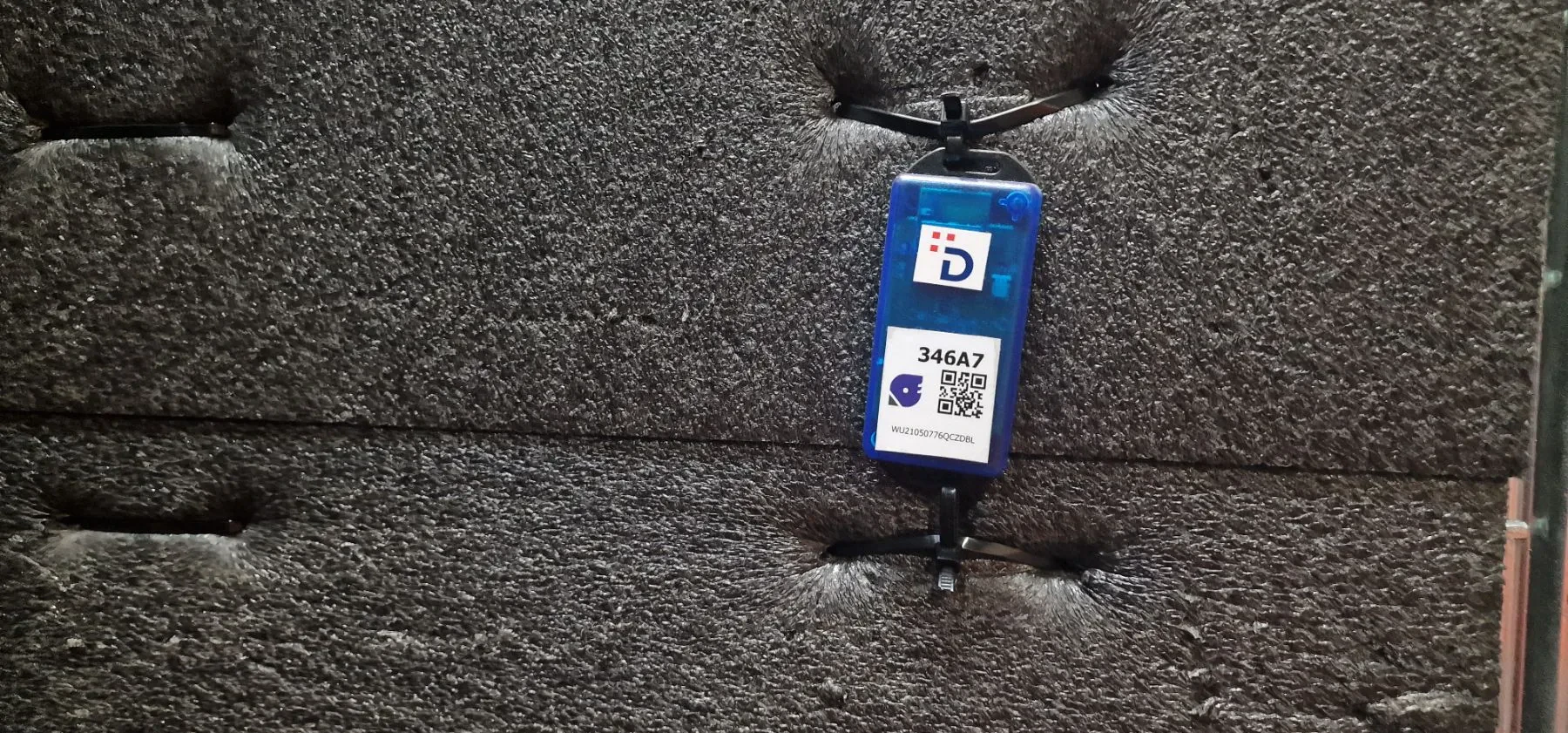
Lightweight, non-intrusive infrastructure
Fast deployment, no overhaul of the IS, compatible with on-site MRO constraints.
Geolocation technologies
One technology for each useful mesh
ROBIN.Tracking is technology-agnostic: we work with the best sensor and network providers worldwide, and we integrate the one that suits your site rather than locking you into a single technology. The choice is based on the accuracy that is genuinely useful for managing your flows, the environment to cover and the site's constraints — ATEX zone, metal racks, ceiling height, multiple sites.
Technology | Environment | Accuracy | Infrastructure | Embedded functions | Typical use |
|---|---|---|---|---|---|
Indoor | 0.5 m | Anchors every 15 m, 1 gateway per 100 linear metres. Wireless infrastructure. | Pick-to-light, call button, accelerometer, downlink. Self-certified ATEX anchors and tags. | Sub-metre location of tooling and critical parts. | |
Indoor | 8 m | Anchors every 10 to 12 m — the same as for UWB, the two solutions are interoperable. Wireless infrastructure. | Accelerometer, ATEX. 30-second latency, no downlink. | Tracking by zone and workstation, at a reduced tag cost. | |
BLE mesh | Indoor | 5 m | Adjustable mesh from 5 to 15 m, 1 gateway per 30,000 m², minimum 1 per floor. Wireless infrastructure. | Accelerometer, ATEX. FCC, CE and ISED certifications. | Large warehouses, multi-building and multi-floor sites. |
Directional BLE | Indoor | < 2 m | Directional anchors distributed across the shop floor, with no additional active tag on the label. | Angle-of-arrival measurement, compatible with electronic labels. | Electronic labels located at the workstation, to within 2 metres. |
Electronic labels | Indoor | Zone | Relies on the BLE anchors already installed. | Remotely controlled e-ink display, LED, buzzer. | Identification and status readable directly on the container. |
GPS · LoRaWAN | Outdoor | < 50 m | No anchors. Public or private LoRaWAN network. | Accelerometer, ATEX. Reporting on movement or at intervals. | Outdoor yards, transfers between sites, supply chain. |
GPS · LTE-M | Outdoor | < 50 m | No anchors. LTE-M cellular network. | Accelerometer. Reporting on movement or at intervals. | International coverage, tracking of containers in transit. |
A single infrastructure
Positioning-agnostic, end to end
The same pallet is tracked in the outdoor yard and then on the shop floor, without changing platform or identifier. ROBIN.Tracking advises on and deploys the positioning technology best suited to each industrial environment.
01 · Outdoors
In the yard, satellite is enough
The tag on the pallet calculates its position by satellite and reports it over the operator's network. No infrastructure to install, either in the yard or on the road.
- TechnologyGPS · LoRaWAN / LTE-M
- Accuracy< 50 m
- ReportingOn movement
13:47 · Arrival at yard P2
02 · Indoors
Under a roof, beacons take over
The satellite signal drops as soon as an asset enters the building. The shop floor beacons pick up tracking seamlessly: granularity moves from the plot to the workstation.
- TechnologyUWB · BLE
- Accuracy0.5 to 5 m
- ReportingReal time, < 1 s
14:26 · Workstation CTRL-04
The platform handles the handover from one technology to the other, not the operator: no scan, no re-entry. Every zone change produces a timestamped event in the work order history.
Fleet monitoring
The sensor fleet is monitored, not just installed
A silent tag or a dead battery creates a blind spot in the data. ROBIN monitors the status of every deployed device and alerts you before tracking degrades.
Message reporting
Every tag, anchor and gateway is tracked continuously: last message received, frequency, signal quality. A silent device is identified as such, not treated as a stationary object.
Battery level
The device reports its level and a threshold triggers a low-battery alert, with the list of tags to replace before the next maintenance round.
Security and encryption
Exchanges between devices and the platform are end-to-end encrypted, on CE- and FCC-certified equipment. Hosting is European and traffic runs over a dedicated network.
Remote version upgrade
Tag and anchor firmware is updated remotely, in batches, with no field intervention and no production stoppage.
Centralised configuration
Reporting frequency, accelerometer sensitivity, movement or periodic mode: settings are changed from the platform, by technology and by device group.
Fleet inventory
Every device is listed with its identifier, technology, assignment and history — from commissioning to replacement.
Automations
Every captured position can trigger an action
Field tracking is built on ROBIN's workflow engine. Events reported by tags — zone entry, immobility, button press, routing time overrun — act as triggers, and connected objects act as actions: switching on an LED, buzzer, position request, electronic label update. The rule is built in a visual editor, without writing code.
Trigger
A part stays still for 4 hours
The zone manager receives an alert and the work order is flagged as on hold in scheduling.
Trigger
An urgent work order enters the inspection zone
The tag LED turns red and the electronic label displays the workstation instruction.
Trigger
An operator presses the tag button
A logistics request is created and the relevant team is notified.
Industries
Traceability is not set up the same way from one shop floor to another.
Location technology, tracking granularity and statuses depend on your environment. See what ROBIN.Tracking tracks in your industry.
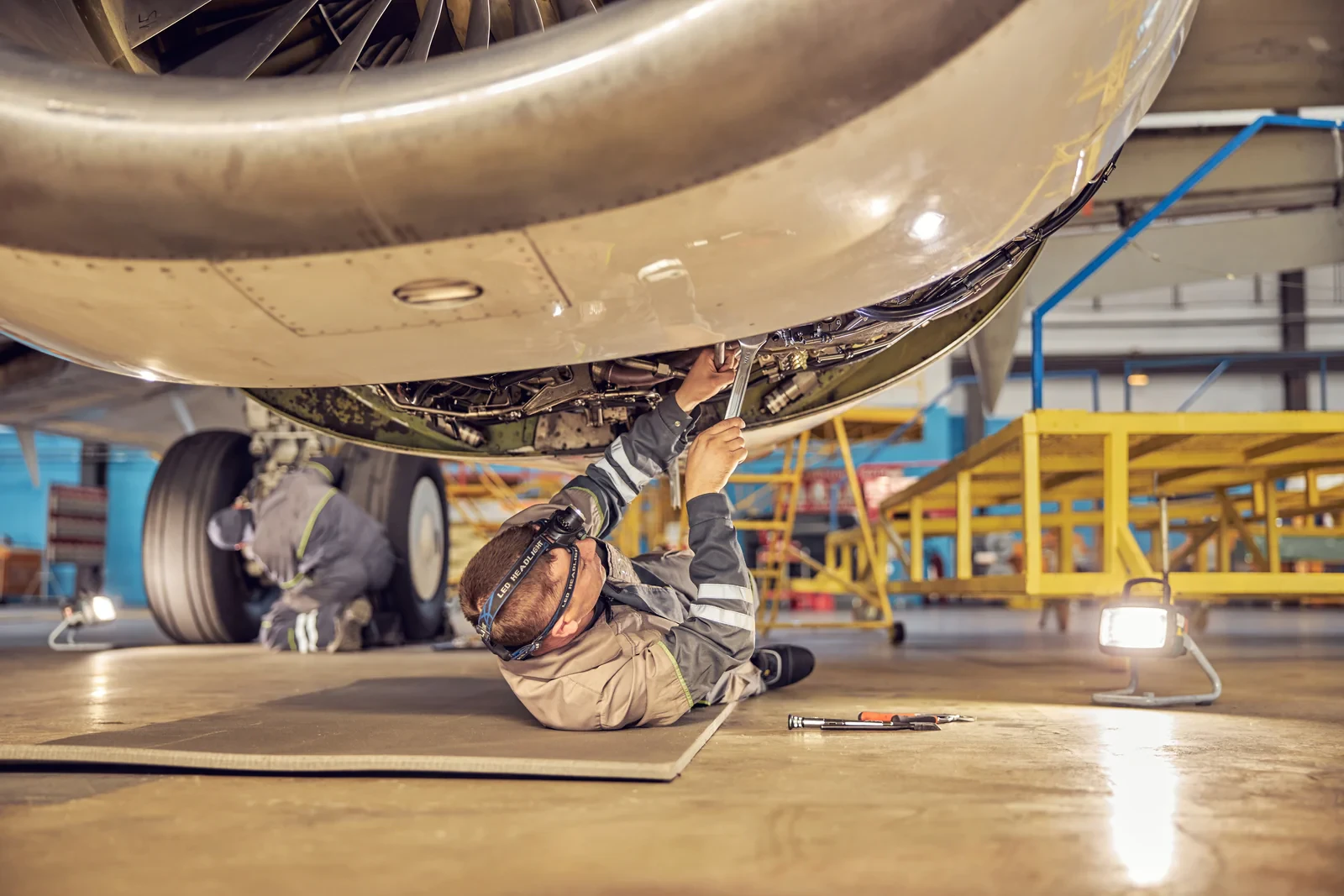
Aerospace · MRO
MRO & repair
Routing disruptions, AOG, customer parts: the flow is recomposed several times a day.
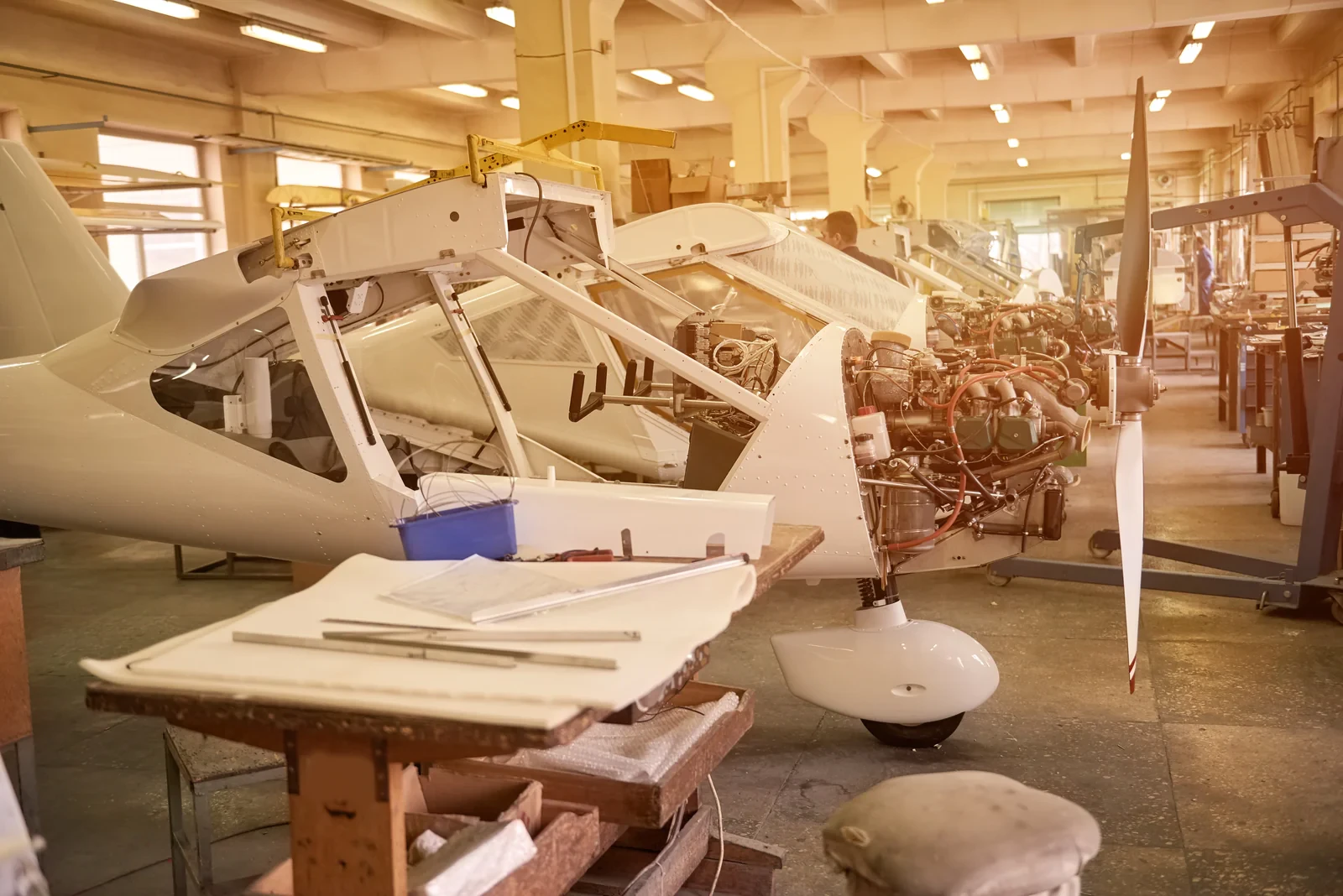
Aerospace · Production
Production & assembly
Rate, assembly stations and shortages on long runs and short cycles.
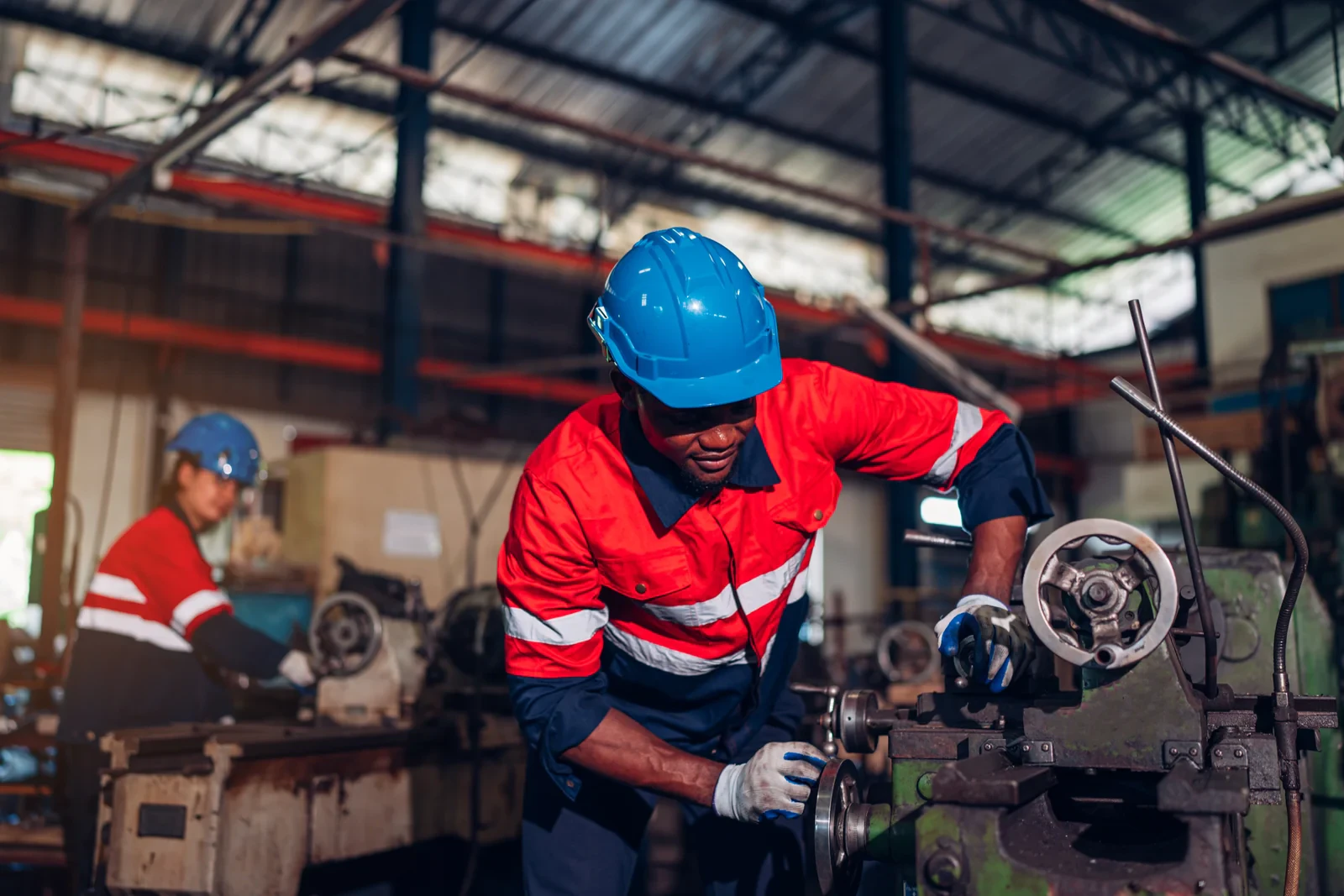
Industry · Multi-industry
Manufacturing industries
Mixed flows, subcontracting and WIP scattered across several buildings.
Frequently asked questions
What teams ask us about ROBIN.Tracking.
Do the sensors require any action from the operator?
No. Position and status changes are captured automatically: no scanning, no badging, no end-of-operation entry.
Can parts and resources be tracked across several buildings or sites?
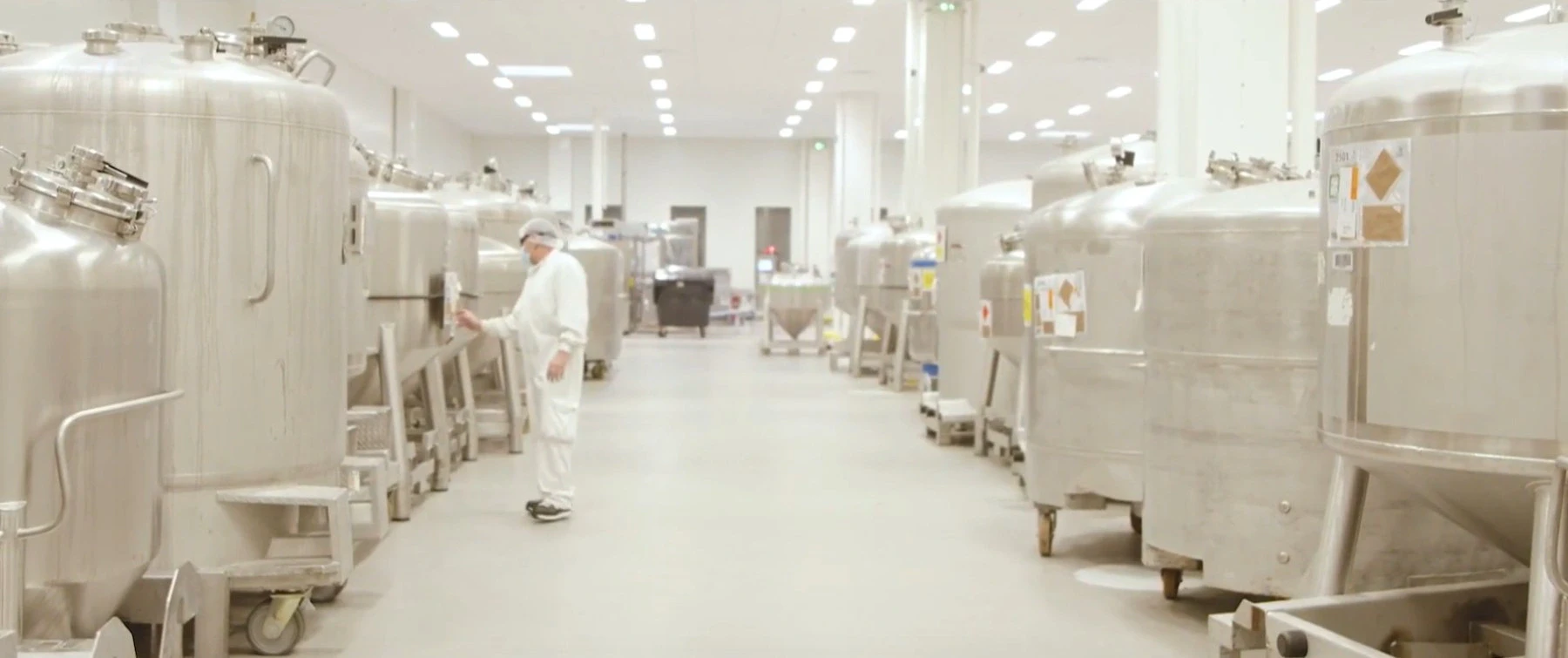
Yes. Indoor and outdoor technologies are combined, so a work order, container, tank or tool can be tracked on the shop floor as well as during a road transfer between sites. Position, condition and compliance remain visible at all times.
What infrastructure needs to be installed?
A lightweight infrastructure of beacons and tags, sized to your site layout. Deployment requires no overhaul of your information system and no production stoppage.
What level of location accuracy can be expected on the shop floor?
Zone or workstation level with BLE, and to within tens of centimetres with UWB. The technology choice depends on the granularity needed to manage your flows.
What is the battery life of the tags, and how frequently do they report their position?
Several years for a standard tag, depending on the transmission rate. This rate is configurable per workflow: faster for critical items, slower elsewhere, preserving battery life.
They use it

On the production side, Daher manufactures aircraft — different types of aircraft — and in our business, we have a genuine need for real-time visibility into our physical flows. […] All of this, combined with Zozio's algorithms and expertise, enables us to improve our production and logistics operations. Knowing in real time the position and status of parts currently in production allows us to be almost “omniscient” about our production flow.
 All testimonials
Go further
What we write about ROBIN.Tracking.
Article
Reaction time is the shop floor's real hidden cost
7% of TAT recovered without speeding up a single operation.
Article
The augmented operator is not a monitored operator
The difference lies in who receives the information.

Case study
Reducing TAT in an MRO shop
WIP located, transitions captured, TAT measured at the workstation.
In the platform
One platform, six building blocks.
From deployment to scheduling, each building block feeds the next — a single reference base, a single flight plan.
Take action
See ROBIN.Tracking on your data.
A demo prepared with a scheduling engineer, on your shop floor.